
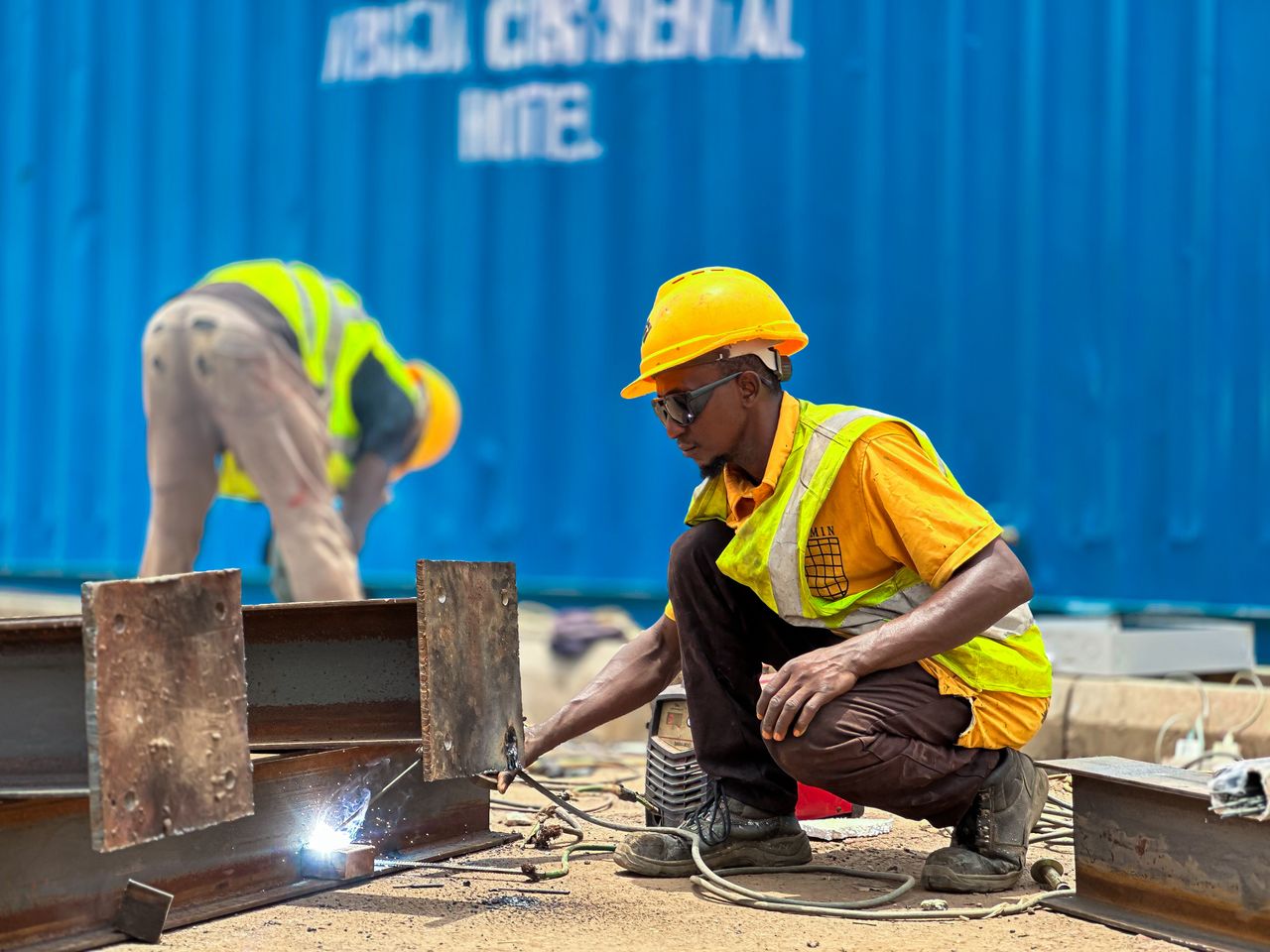
To find a job abroad is one thing, but fiinding an employer who is actually willing and legally able to sponsor a foreign worker is a completely different
You can spend weeks looking for jobs in the United Kingdom, Canada, Australia or the United States, tailoring your CV and submitting applications, only to discover that the employer does not sponsor international workers. In some cases, the vacancy may even mention “visa sponsorship” without explaining who qualifies, which visa route applies or whether candidates applying from overseas are considered.
In this guide, you will understand exactly how to find employers that sponsor foreign workers, where to look for sponsorship jobs, how to check whether an employer is authorised to sponsor workers, how to approach recruiters, how to recognise genuine opportunities and how to avoid the visa sponsorship scams that target international job seekers. Read ahead!
What It Means When an Employer Sponsors a Foreign Worker
Generally, employer sponsorship means that a company takes the required immigration steps to employ someone who does not already have unrestricted permission to work in that country.
However, sponsorship does not mean exactly the same thing everywhere.
Each country has its own immigration system, and the employer’s responsibilities can vary considerably depending on the occupation, salary, visa category and circumstances of the worker.
In the United Kingdom, for example, employers can obtain a sponsor licence that allows them to sponsor eligible workers under particular immigration routes. The UK government maintains a public register showing organisations licensed to sponsor workers, including the route and sponsorship rating as was updated in July 2026.
Canada on the other hand uses a different system. Many employers hiring temporary foreign workers need a Labour Market Impact Assessment (LMIA), although some workers can be hired through LMIA-exempt programmes. Canada’s official guidance says employers is the one to determine whether an LMIA is required before hiring and, where one is needed, obtain the relevant documents before the worker applies for an employer-specific work permit.
Australia also operates an employer sponsorship system. An approved Standard Business Sponsor can sponsor eligible workers through certain visa programmes, including the Skills in Demand visa and the Skilled Employer Sponsored Regional visa.
In the United States, the situation is more complicated because there is no single employer sponsorship system covering every foreign worker. Different employment-based immigration programmes have different requirements. The U.S. Department of Labor, for instance, administers labour certification programmes covering areas such as H-1B specialty occupations, H-2A agricultural work, H-2B temporary non-agricultural work and permanent labour certification.
So when you see a job advertised as offering “visa sponsorship,” do not immediately assume that the employer will simply arrange everything for you.
You need to find out which immigration route applies, whether the employer can use that route and whether your particular position and qualifications meet its requirements.
Can Any Employer Sponsor a Foreign Worker?
No. It’s not every employer that can just sponsor a foreign workers.
This is one of the first things an international job seeker needs to understand.
To be a legitimate company does not automatically give an employer permission to sponsor foreign workers. Depending on the country, the employer may need a specific licence, approval, registration or authorisation before it can sponsor someone.
Even when a company is authorised to sponsor foreign workers, that does not mean it will sponsor every position.
This distinction is extremely important.
A company might have permission to sponsor skilled workers but decide that a particular vacancy will only be offered to people who already have the right to work in the country. Another employer may sponsor workers for certain occupations but not others.
Therefore, there are really three questions you need to answer:
- Can this employer legally sponsor foreign workers?
- Does the employer sponsor the type of position I am applying for?
- Will the employer consider a candidate who currently lives outside the country?
If you can answer all three questions before applying, your job search becomes much more targeted.
How to Find Employers That Sponsor Foreign Workers

The most reliable approach to find employers that sponsors foreign workers is to work backwards from the immigration system instead of applying randomly to hundreds of vacancies.
Start by identifying the country and occupation you are targeting. Then find employers that have evidence of sponsorship or international recruitment. After that, search their current vacancies and verify whether sponsorship is available for the specific role.
In practical terms, your search should look like this:
Immigration route → eligible occupation → sponsoring employers → suitable vacancy → application
Not:
Random job vacancy → application → discover later that sponsorship is unavailable
The second approach is how many international applicants end up wasting months.
1. Start With the Country’s Official Sponsorship System
Before searching job boards, learn how employer sponsorship works in your target country.
This may sound like extra work, but it can save you a huge amount of time because immigration terminology varies between countries.
| Country | What to Research | Why It Matters |
|---|---|---|
| United Kingdom | Licensed Worker and Temporary Worker sponsors | Helps you identify organisations authorised to sponsor workers under relevant routes. |
| Canada | LMIA and LMIA-exempt employer hiring routes | Helps you understand whether an employer may need an LMIA to hire you. |
| Australia | Approved sponsors, nominations and labour agreements | Shows how employers can sponsor eligible overseas workers. |
| United States | Employment-based visa and labour certification programmes | Helps you identify the immigration route relevant to your occupation. |
The official sources are particularly useful because immigration information on social media and job blogs can become outdated quickly.
For example, Canada’s current guidance explains that employers can hire temporary foreign workers with an LMIA or, where the circumstances qualify, without one through the International Mobility Program.
That means a job advertisement does not necessarily have to say “LMIA sponsorship” for an international applicant to have a possible employer-specific work-permit route.
2. Use the UK Register of Licensed Sponsors
If the United Kingdom is your preferred destination, the government’s sponsor register should be one of your most useful research tools.
The official register contains organisations licensed to sponsor workers under the Worker and Temporary Worker immigration routes. It includes the category of workers an organisation is licensed to sponsor and its sponsorship rating.
The current register is available through the UK government’s website and was updated in July 2026.
View the UK Register of Licensed Sponsors on GOV.UK
This is far more useful than relying on an old article titled “500 UK companies that sponsor foreign workers.”
Why?
Because sponsorship lists published by random websites can become outdated. A company may have changed its sponsorship status, stopped recruiting for a particular occupation or changed its hiring policy.
The official register gives you a much stronger starting point.
How to Use the UK Sponsor Register
Suppose you are a foreign software engineer looking for work in Britain.
Instead of searching Google for hundreds of individual vacancies, you can first identify companies on the sponsor register that operate in technology, software development, consulting, financial services or related industries.
Once you find a promising company, visit its official website and open its careers section.
Then search for positions such as:
- Software Engineer
- Backend Developer
- Frontend Developer
- Full-Stack Developer
- DevOps Engineer
- Cloud Engineer
- Data Engineer
- Cybersecurity Analyst
The important point is that being listed as a sponsor is only the first filter.
You still have to determine whether the specific vacancy is eligible for sponsorship and whether the company is willing to sponsor someone for that particular position.
3. Look for Companies That Have Sponsored Workers Before
Past sponsorship activity can be a useful clue when building your employer list.
A company that has previously recruited overseas workers may already understand the immigration process, international recruitment and the additional administrative requirements involved.
That does not guarantee that the same company will sponsor you today. Business needs change, immigration rules change and individual vacancies have their own requirements.
Still, previous sponsorship experience can make an employer worth investigating.
In the United States, for example, government labour certification information can help researchers understand which employers have participated in foreign-worker programmes. The Department of Labor’s Foreign Labor Certification resources cover several programmes, including H-1B, H-2A, H-2B and permanent labour certification.
Use this type of information as a research signal rather than a promise of a current job.
If a company sponsored workers in the past, check whether it currently has vacancies in the same occupation. Then visit the employer’s official careers page and verify its present hiring requirements.
4. Search Company Career Pages Directly
Job boards are useful, but the company’s own career website deserves special attention.
Imagine you find a vacancy advertised as:
“Mechanical Engineer — Visa Sponsorship Available”
Do not immediately upload your CV.
First, identify the employer.
Visit the company’s official website. Find its careers page. Search for the same position and read the complete description.
You may discover additional information that was missing from the job-board listing.
The employer might say:
- “We can sponsor eligible candidates.”
- “Visa sponsorship is available for this position.”
- “Candidates requiring sponsorship may apply.”
- “Relocation and immigration support may be available.”
Or you might find the opposite:
- “Applicants must already have the right to work in the UK.”
- “We are unable to provide sponsorship.”
- “This role does not qualify for visa sponsorship.”
- “Candidates must have unrestricted work authorisation.”
If the employer clearly states that sponsorship is not available, do not spend half an afternoon trying to convince the recruitment team otherwise.
Move to the next employer.
5. Search Google Using Sponsorship-Specific Keywords
One of the simplest ways to improve your results is to stop searching only for the job title.
Instead, combine the occupation with words associated with sponsorship.
For example:
- software engineer visa sponsorship UK
- care worker visa sponsorship UK
- mechanical engineer visa sponsorship Canada
- registered nurse sponsorship Australia
- accountant visa sponsorship Australia
- warehouse jobs visa sponsorship Canada
- H-1B software engineer jobs USA
- US employer sponsorship international applicants
You can make these searches even more specific by adding a city.
For example:
“software engineer” “visa sponsorship” London
“registered nurse” “visa sponsorship” Melbourne
“data analyst” “visa sponsorship” Toronto
“H-1B sponsorship” “software engineer” Texas
Another useful trick is to search within an employer’s website.
site:companyname.com careers visa sponsorship
Or:
site:companyname.com jobs sponsorship international
This can sometimes uncover recruitment pages that do not appear prominently in ordinary Google searches.
6. Search LinkedIn for Employers and Recruiters
LinkedIn can be especially useful because you are not limited to job advertisements. You can also research the people behind the recruitment process.
Search for your occupation together with sponsorship terms, and then filter by country, location, experience level and date posted.
Useful searches include:
- Software Engineer visa sponsorship
- Registered Nurse sponsorship
- Civil Engineer work permit
- Care Assistant sponsorship
- Data Scientist immigration sponsorship
- Mechanical Engineer international recruitment
Once you identify an employer that appears to recruit internationally, look at the people working in its recruitment or human resources department.
Look for titles like:
- Talent Acquisition Specialist
- Recruitment Manager
- Talent Partner
- International Recruiter
- Global Mobility Specialist
- HR Manager
If there is a specific vacancy you are qualified for, you can ask the recruiter whether the position is open to candidates who require employer sponsorship.
Keep the question short and professional.
You are not asking the recruiter to make an immigration decision. You are simply finding out whether the vacancy is worth pursuing.
7. Check Whether the Specific Job Offers Sponsorship
Finding a company that sponsors foreign workers is only half the job. The next question is whether the particular vacancy you want is open to someone who needs sponsorship.
This distinction catches many international applicants off guard.
A large company might employ hundreds or thousands of foreign workers, yet still advertise some positions as “no sponsorship available.” Another vacancy within the same company might offer sponsorship because it is harder to fill locally or falls within an eligible immigration route.
So, do not stop your research at the company level.
Check the vacancy itself.
Look carefully through the job description for phrases such as:
- Visa sponsorship available
- Work visa sponsorship available
- Immigration sponsorship available
- Employer sponsorship available
- We sponsor qualified candidates
- Applicants requiring sponsorship may apply
- Relocation and immigration support available
- International candidates welcome
At the same time, watch for language that means the opposite:
- Must already have the right to work
- No visa sponsorship available
- Applicants must have unrestricted work authorisation
- We cannot sponsor work visas for this role
- Must be authorised to work without employer sponsorship
If the wording is unclear, do not automatically assume that sponsorship is available.
Instead, contact the recruiter or hiring team and ask whether the position is open to candidates who currently require employer sponsorship.
8. Search by Employer Instead of Job Title
There is another strategy that experienced international job seekers often overlook.
Instead of searching for a job first, search for employers first.
Suppose you are a qualified nurse and want to work in the UK.
Rather than searching endlessly for “nursing jobs with visa sponsorship,” build a list of healthcare organisations that recruit internationally.
Then visit those organisations individually and check their current vacancies.
This approach has a major advantage: you begin to understand which employers regularly recruit people with your background.
You may also discover vacancies that do not contain the words “visa sponsorship” in their titles but still have an employer willing to consider international applicants.
In other words, do not let a job-board keyword determine the entire scope of your search.
9. Consider Employers in Labour-Shortage Industries
Employer sponsorship is closely connected to labour demand.
When companies cannot find enough suitable workers locally, recruiting internationally can become a practical solution.
This is why certain industries repeatedly appear in discussions about overseas recruitment.
| Industry | Examples of Roles | Why International Recruitment May Occur |
|---|---|---|
| Healthcare | Nurses, doctors, care professionals, allied health workers | Some countries and regions experience shortages in specific healthcare occupations. |
| Technology | Software engineers, cybersecurity specialists, data professionals | Specialised technical skills can be difficult to recruit locally. |
| Engineering | Civil, mechanical, electrical and specialist engineers | Large infrastructure and industrial projects can create demand for skilled workers. |
| Construction | Electricians, welders, plumbers, technicians and skilled trades | Labour shortages can increase demand for qualified workers. |
| Agriculture | Farm workers, agricultural technicians and seasonal workers | Some countries have temporary programmes designed around agricultural labour needs. |
| Hospitality | Chefs, hospitality managers and selected skilled roles | Some regions experience persistent recruitment difficulties. |
| Education | Teachers, lecturers and specialist education professionals | Demand can vary significantly by subject, location and qualification. |
However, do not make the mistake of interpreting “shortage occupation” as “automatic visa approval.”
A shortage occupation can improve your prospects, but you still have to satisfy the immigration requirements attached to the particular country and visa route.
10. Search Specialist Recruitment Agencies
Recruitment agencies can be useful when they specialise in your profession.
For example, healthcare professionals may find specialist international recruitment agencies that work with hospitals or care organisations. Engineers may find agencies focused on technical recruitment, while construction workers may find recruiters specialising in skilled trades.
The advantage is that a specialist recruiter may already understand which employers are open to overseas candidates.
However, the same caution applies.
A recruitment agency does not automatically have the authority to sponsor you.
The company that actually employs you is the important part of the arrangement.
Before proceeding, ask:
- Who is the actual employer?
- Where will I work?
- What visa or work-permit route is being used?
- Does the employer currently sponsor workers?
- Is sponsorship for this particular position?
- What costs will the employer cover?
- What costs will I be responsible for?
A legitimate recruiter should be able to explain the employment arrangement clearly.
How to Contact an Employer About Sponsorship
Some applicants become uncomfortable when they have to ask about sponsorship.
They worry that mentioning immigration will make the employer reject them.
There is no need to hide it.
If you require sponsorship, the employer will eventually need to know. Hiding the information during the early stages does not make the immigration requirement disappear.
The trick is to ask professionally rather than making sponsorship sound like the only reason you want the job.
For example, you can ask:
“I am interested in applying for this position and currently live outside the country. Could you please confirm whether the role is open to candidates who require employer sponsorship?”
That is enough.
You do not need to send a long explanation about your immigration situation unless the employer asks for more information.
What to Say to a Recruiter on LinkedIn
If you contact a recruiter directly, keep your message focused on the vacancy.
A good message should identify the position, briefly establish your suitability and ask whether sponsorship is available.
Avoid sending a long life story.
Recruiters are often dealing with dozens of candidates and multiple vacancies, so clarity works in your favour.
You could structure the message around three points:
- The job you are interested in
- Your most relevant qualification or experience
- Your need for employer sponsorship
For example:
“Hello, I came across the Senior Mechanical Engineer position and noticed that your company is recruiting for the role. I have several years of experience in mechanical design and project engineering and would be interested in applying. I currently live outside the country and would require employer sponsorship. Could you please confirm whether international applicants requiring sponsorship are being considered for this vacancy?”
Short, clear and professional.
How to Check Whether a Sponsorship Job Is Genuine
Before you send your passport, certificates or personal information, verify the opportunity.
Start with the employer to know if:
- The company actually exist
- It’s website look legitimate
- The vacancy appear on its official careers page
- The recruiter’s email address match the company’s domain
- You can find the company through credible business or government records
- The job description make sense for the company.
These checks take only a few minutes, yet they can prevent serious problems.
A scammer may copy the logo of a real company and create a convincing-looking employment letter. The existence of a real company does not prove that the person contacting you actually works for it.
That is why you should verify the recruiter independently through the company’s official website.
Being aware with “Guaranteed Visa Sponsorship”
No legitimate recruiter can simply guarantee that you will receive a visa because you have paid them money or accepted a job offer.
The immigration authority ultimately determines whether you meet the requirements of the relevant visa route.
An employer may be willing to sponsor you, but sponsorship and visa approval are not the same thing.
This distinction is worth remembering because scammers often deliberately blur the two.
They may say:
“Pay us and your visa is guaranteed.”
That should immediately raise concerns.
A genuine employment opportunity should involve a real employer, a genuine job and a clearly identifiable immigration process.
How to Apply for Jobs With Visa Sponsorship
Finding a sponsoring employer is only the beginning. Your next challenge is submitting an application that gives the employer a reason to consider you despite the additional immigration process involved.
The best approach is to treat the application like any other competitive job application, while being completely transparent about your work-authorisation status.
1. Read the Job Description Carefully
Before applying, check the qualifications, experience, location, salary information and work-authorisation requirements.
Pay particular attention to statements about sponsorship.
If the employer says that candidates must already have unrestricted work permission, the position is probably not suitable if you currently require sponsorship.
If sponsorship is available or the wording is unclear, continue with your research.
2. Check the Employer Before Applying
Visit the company’s official website and confirm that the vacancy exists there.
Then check whether the organisation has evidence of sponsoring foreign workers under the relevant immigration system.
For example, the UK maintains an official register of organisations licensed to sponsor workers, and the register identifies the routes and sponsorship ratings attached to organisations. The current register was updated on 28 July 2026.
For Canada, determine whether the employer may need an LMIA or whether the position could fall under an LMIA-exempt pathway. Canada’s employer guidance was updated with new wage-threshold information effective 17 July 2026.
3. Tailor Your CV to the Vacancy
Do not send the same generic CV to every sponsoring employer.
Match your experience to the requirements in the job description. If the employer asks for five years of experience with a particular technology, professional licence, engineering system or healthcare procedure, make your relevant experience easy to find.
Where possible, show results rather than simply listing responsibilities.
Instead of:
“Responsible for managing software projects.”
Write something more specific, such as:
“Managed software projects from planning through deployment, coordinating developers and delivering projects within agreed deadlines.”
Your CV should quickly answer the employer’s most important question: Can this person actually do the job?
4. Be Honest About Sponsorship
If you currently need employer sponsorship, do not claim that you already have unrestricted work authorisation.
Some application forms ask directly whether you will require sponsorship now or in the future. Answer truthfully.
Being transparent may remove some vacancies from your list, but it prevents problems later in the recruitment process.
How to Find Employers That Sponsor Foreign Workers Without Paying an Agent
You do not necessarily need an immigration agent or overseas recruitment agent to find a sponsoring employer.
Many candidates can research employers themselves using government resources, company career pages, professional networks and reputable job platforms.
This is particularly useful because you can verify information directly rather than relying on someone else’s list of “sponsoring companies.”
A simple process is:
- Choose your target country.
- Identify your occupation and relevant immigration route.
- Research employers that can sponsor workers.
- Find current vacancies.
- Verify sponsorship for the specific position.
- Apply through the employer’s official recruitment channel.
- Keep records of every application.
Agents can be useful for complicated immigration matters, but you should never assume that paying an agent guarantees employment or visa approval.
How to Find Visa Sponsorship Jobs on LinkedIn
LinkedIn is useful because it allows you to search for jobs, employers and recruiters in the same place.
Start with your occupation and add sponsorship-related keywords.
Try searches such as:
- “software engineer” “visa sponsorship”
- “registered nurse” “sponsorship”
- “mechanical engineer” “visa sponsorship”
- “care worker” “visa sponsorship”
- “data analyst” “work permit sponsorship”
Then filter the results by your preferred country and location.
Once you find an employer with a suitable vacancy, investigate the company before applying.
You can also search LinkedIn for recruiters working for that company.
What to Look for in a Recruiter’s Profile
Look for recruiters who work directly for the employer or a recognised recruitment company.
A genuine professional profile should normally provide information about the person’s role, employer and professional history.
However, a convincing LinkedIn profile is not proof that a job is genuine. Always verify the vacancy through the employer’s official website.
How to Find Visa Sponsorship Jobs on Job Websites

Major job websites can help you discover opportunities, but you should use sponsorship keywords when searching.
Try combinations such as:
- visa sponsorship
- work visa sponsorship
- employer sponsorship
- visa sponsorship available
- relocation and sponsorship
- international applicants
- work permit sponsorship
Combine these with your occupation rather than searching for sponsorship alone.
For example, “accountant visa sponsorship Canada” is far more useful than simply searching “visa sponsorship jobs.”
How to Find Employers That Sponsor Foreign Workers in the UK
The UK is particularly useful for employer research because the government publishes a register of licensed Worker and Temporary Worker sponsors.
The register contains the organisation’s name, location, sponsorship route and rating.
However, being on the register does not mean that every vacancy at that organisation offers sponsorship.
Use the register as your first filter, then check the company’s current vacancies.
Best Strategy for UK Applicants
- Search the official sponsor register.
- Identify employers in your occupation.
- Visit their official careers pages.
- Search for vacancies matching your skills.
- Check the vacancy’s sponsorship and work-authorisation requirements.
- Apply directly through the employer’s recruitment system.
This method is considerably more reliable than relying on old lists of “UK companies that sponsor foreigners.”
How to Find Employers That Sponsor Foreign Workers in Canada
Canada uses several employer hiring pathways, so you need to determine which one applies to the position.
For many temporary foreign workers, the employer may need an LMIA. However, some workers can be hired without an LMIA through eligible exemptions and other programmes.
This means that searching only for jobs that literally contain the phrase “LMIA sponsorship” can cause you to miss relevant opportunities.
What Canadian Applicants Should Check
- Whether the employer is willing to hire foreign workers.
- Whether the position requires an LMIA.
- Whether the employer has already started or obtained an LMIA where required.
- Whether the occupation and wage meet the applicable requirements.
- Whether you qualify for the relevant work-permit route.
Canada’s official LMIA guidance currently includes wage thresholds that took effect on 17 July 2026, so applicants should avoid relying on older salary information found in recruitment articles.
How to Find Employers That Sponsor Foreign Workers in Australia
Australia’s employer-sponsored system also requires you to look at the employer, occupation and visa pathway together.
Some employers can become approved Standard Business Sponsors and use eligible employer-sponsored visa programmes. Australia’s current sponsorship framework includes the Skills in Demand visa and the Skilled Employer Sponsored Regional visa.
For this reason, do not search only for “Australian companies that sponsor foreigners.”
Instead, search for employers hiring for your occupation and investigate whether they participate in an appropriate sponsorship pathway.
Australian Employers Worth Researching
Pay particular attention to:
- Healthcare organisations
- Engineering companies
- Technology companies
- Construction businesses
- Mining and resources companies
- Regional employers
- Employers using relevant labour agreements
Demand varies considerably by occupation and location, so an employer should always be assessed against the current immigration requirements rather than an old “in-demand jobs” list.
How to Find Employers That Sponsor Foreign Workers in the USA
The United States requires a different research strategy because there is no single public register covering every employer-sponsored employment route.
Instead, identify the visa category that may apply to your occupation and then research employers with relevant sponsorship history.
For example, U.S. Department of Labor disclosure data covers programmes and filings associated with H-1B, H-1B1, E-3, H-2A, H-2B and PERM. Current fiscal-year disclosure data is available through the Department of Labor’s Foreign Labor Certification resources.
This information can help you identify employers that have participated in employment-based immigration programmes.
After identifying an employer, check whether it currently has vacancies matching your occupation.
Past sponsorship is useful evidence, but it is not a guarantee of current sponsorship.
Common Mistakes to Avoid When Looking for Sponsorship Jobs
International job seekers often make the same mistakes, and most are avoidable. Check below for those mistakes and learn how to avoid them…
1: Applying to Every Job With “Visa Sponsorship” in the Title
Not every advertisement is current, genuine or relevant to your immigration situation.
Verify the employer and vacancy before applying.
2: Assuming a Large Company Will Sponsor Everyone
A multinational company may sponsor some workers while refusing sponsorship for other positions.
Always check the specific vacancy.
3: Using Outdated Sponsorship Lists
Immigration rules and employer sponsorship statuses can change.
Government registers and current employer information should take priority over old blog posts.
4: Hiding Your Need for Sponsorship
Do not pretend you already have work authorisation if you do not.
Answer application questions honestly and clarify your situation when required.
5: Paying for a “Guaranteed Sponsorship”
No recruiter should be able to sell you guaranteed immigration approval.
Verify the employer and immigration route before paying any recruitment or immigration-related fee.
6: Applying With a Generic CV
When sponsorship is involved, the employer has an additional reason to be selective.
Your CV should therefore make your qualifications and relevant experience immediately obvious.
7: Ignoring Regional Employers
Do not restrict your search to London, Toronto, Sydney, Melbourne, New York or other major cities.
Regional employers may have different labour needs and can sometimes provide opportunities that receive less attention from international applicants.
How to Verify an Employer’s Sponsorship Status
Before applying, take a few minutes to verify that the employer can actually sponsor foreign workers.
The verification process depends on the country, but the basic approach is the same: check an official government source where available, confirm the employer’s identity and then verify the specific vacancy.
Check the Official Government Register
Some countries provide public information about employers that are authorised to sponsor workers.
The UK, for example, publishes a register of licensed Worker and Temporary Worker sponsors. This is one of the most useful tools for applicants searching for UK sponsorship jobs.
For countries without an equivalent public sponsor list, research the employer through the relevant immigration authority and check whether its recruitment information matches the official requirements.
Check the Employer’s Official Website
Find the company’s official website independently rather than using only the link supplied by a recruiter.
Look for:
- The company’s careers page
- Its physical or registered business information
- Current vacancies
- Recruitment contact details
- Information about international recruitment
- Relocation or immigration support
If the job exists only on an unfamiliar website and nowhere on the employer’s official recruitment channels, investigate carefully.
Check the Recruiter’s Email Address
If someone claims to represent a major company but contacts you from a generic email address, be cautious.
A Gmail or similar address does not automatically mean that the person is a scammer, but it is a reason to verify the recruiter independently.
For important recruitment communication, look for an email address connected to the employer or a recognised recruitment agency.
How to Find Employers With a History of Sponsoring Foreign Workers
Previous sponsorship activity can be a valuable research clue.
Some governments publish employment-related immigration data that can help you identify employers that have previously used foreign-worker programmes.
In the United States, the Department of Labor publishes public disclosure data covering programmes such as H-1B, H-1B1, E-3, H-2A, H-2B and PERM.
This does not mean that an employer will sponsor you today. Instead, it tells you that the company has participated in a relevant foreign-worker programme before.
You can then check whether the company is currently hiring for your occupation.
Use Sponsorship History as a Filter
A useful employer research process is:
- Find companies that have previously sponsored workers.
- Identify those operating in your occupation or industry.
- Check their current vacancies.
- Confirm whether the current role accepts applicants who need sponsorship.
- Apply through the official recruitment channel.
This is much more targeted than sending applications to hundreds of unrelated companies.
How to Approach Employers Directly for Sponsorship
You do not always have to wait for a job advertisement to mention sponsorship before contacting an employer.
If you identify a company that regularly recruits people in your profession, you can contact its recruitment team about suitable vacancies.
Keep the message professional and focused on your skills.
For example, you can ask whether the company currently considers qualified international candidates who require employer sponsorship.
Do not make the message entirely about your immigration needs. The employer first wants to know whether you are capable of doing the work.
What to Include in Your Message
- Your occupation
- Your most relevant qualification
- Your years of experience
- The type of position you are seeking
- Your current location
- Your sponsorship requirement
A short, relevant message is usually stronger than a long explanation.
How to Improve Your Chances of Getting Employer Sponsorship
Sponsorship is competitive, so your application needs to make a strong case for hiring you.
The employer should be able to see quickly that your experience matches a genuine business need.
Develop Skills That Employers Actually Need
Focus on skills that appear repeatedly in vacancies within your occupation.
Read several job descriptions and look for patterns.
If the same technical skill appears in 20 relevant vacancies, it deserves attention.
The same applies to professional certifications, licences, software systems, industry knowledge and specialist experience.
Build Relevant Experience
Experience does not need to come from a foreign employer to be valuable.
What matters is whether you can demonstrate that you have performed work similar to the position you are applying for.
Use measurable achievements where possible.
For example, explain the size of projects you handled, systems you worked with, teams you supported, customers you served or measurable improvements you delivered.
Keep Your Professional Profiles Updated
Employers may check your LinkedIn profile after receiving your CV.
Make sure your employment history, qualifications, skills and professional achievements are consistent with your application.
A complete professional profile can also make it easier for international recruiters to discover you.
How to Write a CV for Visa Sponsorship Jobs
Your CV does not need to be complicated.
It needs to be relevant.
Start with a clear professional summary that explains your occupation, experience and strongest skills.
Then include your employment history, education, relevant certifications and technical or professional skills.
Adapt the document to each vacancy instead of sending exactly the same version everywhere.
How to Avoid Fake Visa Sponsorship Jobs
Fake overseas job offers are a serious problem because scammers know that international applicants are often willing to pay for an opportunity to relocate.
A legitimate job offer should survive independent verification.
Warning Signs of a Fake Sponsorship Job
- You are guaranteed a visa before your qualifications are properly assessed.
- You are asked to pay a large amount to “secure” the job.
- The recruiter refuses to identify the actual employer.
- The employer has no credible online presence.
- The job cannot be found on the company’s official website.
- The recruiter uses pressure tactics.
- You receive an offer without a proper interview.
- You are asked to send money through unusual payment methods.
- The salary is unrealistic for the occupation and location.
- The recruiter claims that paying them guarantees immigration approval.
These signs do not prove that an offer is fraudulent individually, but several appearing together should make you stop and investigate.
Official Websites to Find Employers That Sponsor Foreign Workers
When you are looking for sponsored jobs, always give priority to government websites and the employer’s own careers page. Sponsorship rules, eligible occupations, salary requirements and employer authorisations can change, so an old article or social-media list should never be your final source of information.
Use the official links below to find a sponsored workers jobs with Visa Sponsorships online.
| Country | Official Website | What You Can Use It For |
|---|---|---|
| United Kingdom | GOV.UK – Register of Licensed Sponsors | Check organisations licensed to sponsor workers and the sponsorship categories they hold. |
| United Kingdom | GOV.UK – Visa Sponsorship for Employers | Understand how UK employer sponsorship works and the requirements for sponsoring workers. |
| Canada | Canada.ca – Temporary Foreign Worker Program | Check LMIA requirements and information for employers hiring temporary foreign workers. |
| Canada | Canada.ca – Work in Canada | Check work-permit options and determine what type of work authorisation may apply. |
| Australia | Australian Department of Home Affairs – Standard Business Sponsor | Learn how businesses become approved sponsors and understand employer sponsorship requirements. |
| Australia | Australian Department of Home Affairs – Employer Sponsorship Options | Explore employer-sponsored visa options available to businesses. |
| United States | U.S. Department of Labor – Foreign Labor Certification | Research employment-based foreign-worker programmes and employer labour-certification requirements. |
| United States | U.S. Department of Labor – Foreign Labor Certification Data | Review employment-based immigration data that can help identify employers with foreign-worker programme activity. |
The UK government currently maintains a register of licensed Worker and Temporary Worker sponsors, with the latest register updated in July 2026. Canada also provides current employer guidance for the Temporary Foreign Worker Program and LMIA process, while Australia provides official information for businesses sponsoring overseas workers. In the United States, the Department of Labor maintains information and disclosure data covering several foreign-labor programmes.
Conclusion: Finding a Sponsoring Employer Requires a Strategy
Finding employers that sponsor foreign workers is much easier when you stop treating it as a numbers game.
You do not need to apply for every overseas job you find. Instead, identify employers that can legally participate in the relevant immigration system, find vacancies that match your occupation, verify that sponsorship is possible for the specific position and then submit a strong, targeted application.
Start with official government information, but do not stop there. Check the employer’s careers page, research its recruitment history, contact recruiters when necessary and verify every important claim before sending money or personal documents.
Most importantly, remember that an employer being a licensed sponsor does not mean that every vacancy offers sponsorship. The real opportunity is the combination of the right employer, the right occupation, the right vacancy and the right immigration pathway.
That is the approach that turns an overwhelming international job search into something much more manageable.
Frequently Asked Questions About Employers That Sponsor Foreign Workers
How can I find companies that sponsor foreign workers?
Start by identifying the official employer-sponsorship system in your target country. Then use government registers or employment data where available, search company career pages and look for current vacancies that match your occupation. Always verify whether sponsorship applies to the specific position rather than assuming that every job at a sponsoring company qualifies.
Which companies are most likely to sponsor foreign workers?
Companies in industries with strong demand for specialised workers are often worth researching. These can include technology, healthcare, engineering, construction, finance, education, manufacturing and selected skilled trades. However, sponsorship depends on the employer, occupation, immigration programme and current recruitment needs, so there is no universal list of companies that will sponsor everyone.
Can I get a job abroad without using a recruitment agency?
Yes. You can search for employers yourself through government resources, company career websites, LinkedIn and reputable job platforms. In fact, applying directly through an employer’s official recruitment system can make it easier to verify that the vacancy is genuine.
How do I know if a company is authorised to sponsor workers?
Check the relevant government’s official records where such information is publicly available. The UK, for example, publishes a register of licensed Worker and Temporary Worker sponsors. Other countries use different systems, so you should check the immigration authority responsible for your target country.
Can a company sponsor me if I am still living in another country?
In many cases, yes. Employer-sponsored immigration programmes can allow employers to recruit eligible workers from overseas. However, the requirements differ by country and visa route, and receiving a job offer does not automatically give you permission to work.
Can I apply for a sponsorship job if the advertisement does not mention visa sponsorship?
You can investigate the employer before deciding. Some vacancies clearly state that sponsorship is available, while others do not mention it. If the employer has a history of international recruitment, it may be worth contacting the recruitment team to ask whether candidates requiring sponsorship are being considered.
Should I apply for a job that says “sponsorship may be available”?
Yes, if you meet the qualifications and the employer appears legitimate. However, treat the wording as an indication rather than a guarantee. Ask whether sponsorship is available for the specific position and under which immigration route.
Do employers charge foreign workers for sponsorship?
There is no single worldwide rule covering every sponsorship-related cost. Government application fees, employer costs and worker expenses vary by country and immigration programme. Before paying anything, establish exactly what the charge is for and whether the person requesting it is legally entitled to charge it.
How can I tell if a visa sponsorship job is a scam?
Be particularly cautious when someone guarantees a visa, demands a large payment to secure employment, refuses to identify the actual employer, offers a job without a proper recruitment process or pressures you to pay immediately. Verify the vacancy directly with the employer and use official immigration websites for visa information.
Do I need to pay someone to find me a sponsored job?
No. You can search for sponsoring employers yourself. Recruitment agencies can be useful in some industries, but you should never assume that paying an agent guarantees employment or visa approval.
Can a recruiter guarantee that I will receive a work visa?
No legitimate recruiter should promise guaranteed immigration approval. An employer may be willing to sponsor you, but the relevant immigration authority still has to assess your application under the applicable rules.
Does employer sponsorship automatically lead to permanent residency?
No. Sponsorship may provide a temporary work route, while some countries have separate pathways that can eventually lead to permanent residence. The conditions vary by immigration programme, so you should check the specific visa rather than assuming sponsorship automatically leads to permanent residency.
Can I change employers after receiving a sponsored work visa?
It depends on the visa conditions. Some employer-sponsored visas are tied to a particular employer, occupation or position. Changing jobs may therefore require a new sponsorship, nomination or immigration application.
Which country is easiest for foreign workers to find sponsorship?
There is no single country that is easiest for everyone. Your occupation, qualifications, work experience, language ability, age, salary level and the country’s current labour needs all matter. A country that is attractive for a nurse may not be equally suitable for an accountant or software engineer.
What is the best way to find visa sponsorship jobs from Nigeria?
Start by choosing one or two target countries and one clear occupation. Then research the official sponsorship system, build a list of suitable employers and apply directly through verified career pages. Avoid sending applications randomly across several countries because each immigration system has different requirements.
What should I do if I cannot find a sponsoring employer?
Review your target occupation, location and application strategy before giving up. Consider regional employers, shortage occupations, smaller companies and alternative immigration pathways. Also compare your CV with current vacancies to identify skills or qualifications employers are repeatedly requesting.
What is the biggest mistake to avoid when searching for sponsorship jobs?
The biggest mistake is believing that finding a company on a sponsorship list automatically means you have found a sponsored job. Sponsorship is vacancy-specific in many situations. Always verify the employer, the position, the immigration route and the current requirements before proceeding.